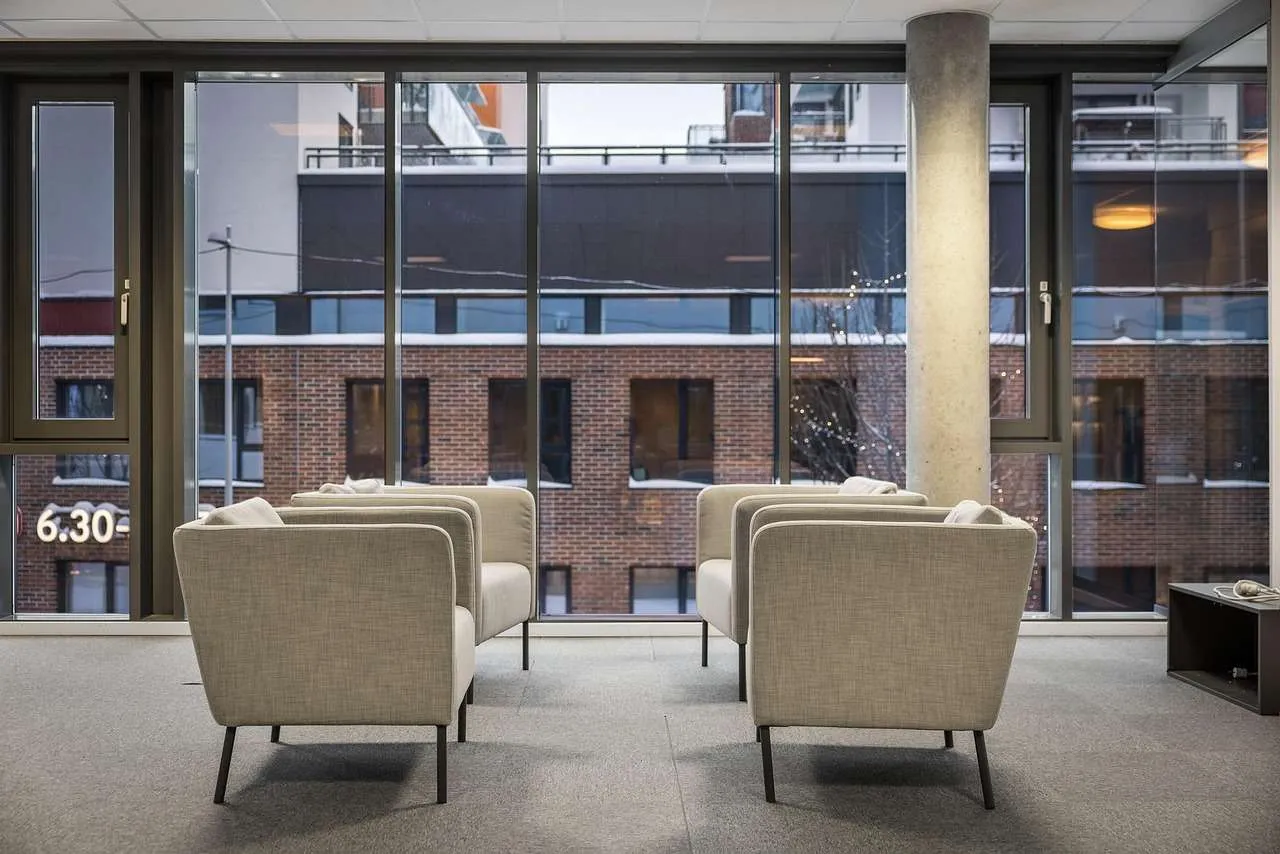
Home Window Tinting: Heat, Privacy, and UV Protection
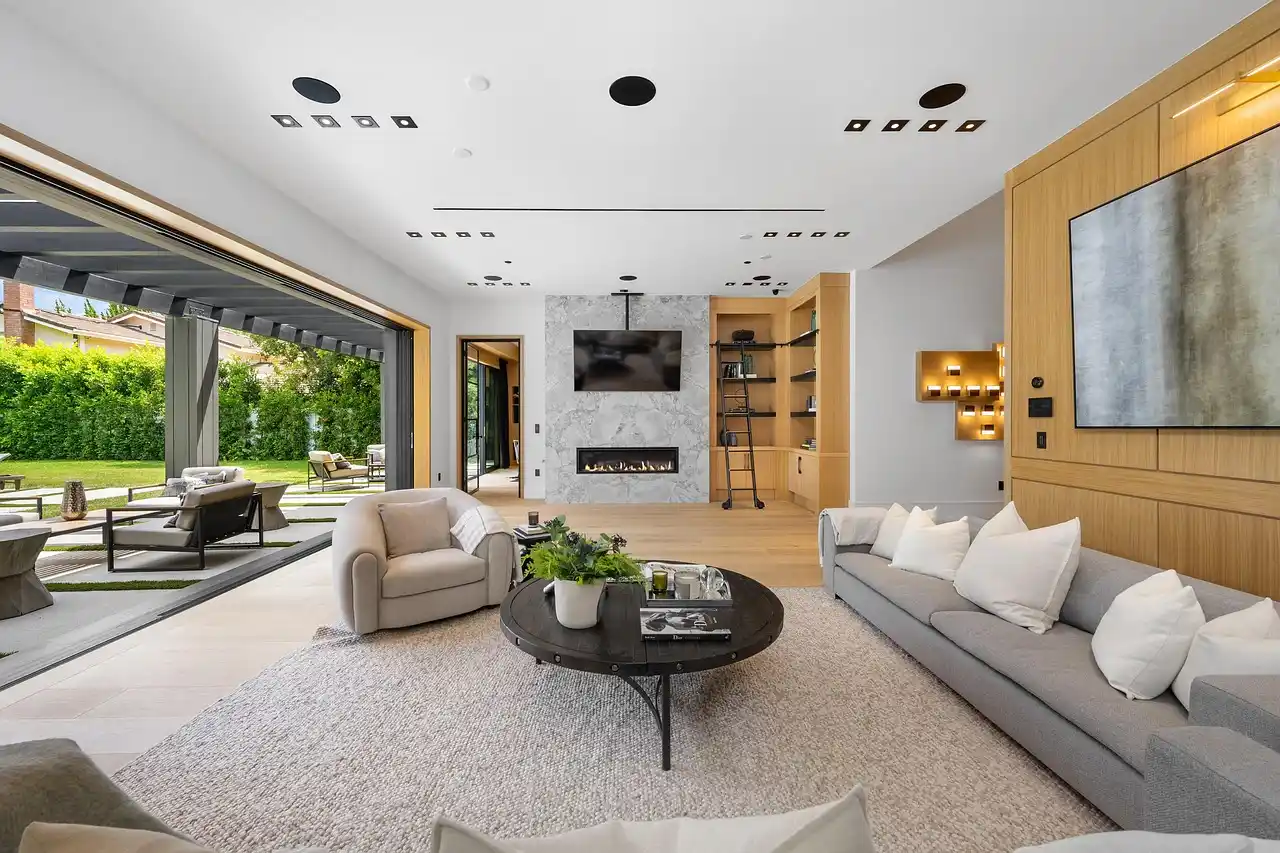
Home window tinting is a practical upgrade that combines comfort, privacy, and energy savings. It works by applying a thin film to interior or exterior glass to reduce heat transmission and block UV rays. For homeowners, choosing the right film means balancing performance, cost, and appearance. Working with an experienced installer is essential to ensure adherence to safety standards and warranty requirements.
What is home window tinting
Window tinting refers to a film that is applied to glass to control light, heat, and visibility. Unlike decorative films, tinting prioritizes performance while maintaining an acceptable view from inside. Professional installers assess factors such as glass type, climate, orientation, and local rules to select a film with the right VLT visible light transmission and UV rejection.
Benefits of home window tinting
Heat and glare reduction
Solar films can significantly reduce heat gain by reflecting or absorbing infrared energy. This keeps rooms cooler during hot days and reduces the need for excessive cooling. Lower glare improves comfort for home offices and living spaces.
UV protection and furniture preservation
Most window films block a large percentage of UV A and B rays, protecting furnishings, flooring, and art from fading. UV protection also helps prevent skin damage for occupants who spend long hours near windows.
Privacy and security
Tinted films increase privacy during the day by limiting the view into your home. Some films also add a layer of safety by holding shattered glass together if a window is broken, reducing the risk of injury and intrusion.
Energy efficiency and cost savings
By reducing heat transfer, tinting lowers cooling loads and can reduce energy bills. Over time the savings, combined with extended furniture life and improved comfort, contribute to a favorable return on investment.
Types of window tinting films
Dyed films
Dyed films offer lowcost tint with solid appearance. They provide basic privacy and moderate heat reduction but can fade over time and are less durable than advanced films.
Metalized films
Metalized and metallized blends reject more heat and glare and can improve shatter resistance. They may cause minor signal interference with certain devices and can appear mirrorlike in bright light.
Ceramic films
Ceramic films provide strong heat rejection without metal. They remain non conductor, preserve color, and typically offer excellent optical clarity and durability at a higher price point.
Laminated safety films
Laminated safety films are designed to hold glass together when broken, enhancing security. They add significant strength but are heavier and costlier than standard films.
Clear insulating films
Clear insulating films are designed to reduce heat transfer while preserving the natural look and light in a room. They offer improved comfort with minimal impact on view, but privacy may be limited depending on light conditions.
How to choose the right film
Consider your climate and orientation
South and west facing windows receive the most heat. In hot climates, higher heat rejection and UV protection are valuable, while cooler climates may prioritize glare control and daylight transmission.
Local regulations and HOA rules
Some neighborhoods have rules governing exterior appearance or tint darkness. Check with local building codes and homeowners associations before installation to avoid violations or required removals.
Tint levels and visible light transmission
Visible light transmission values determine how much light passes through. A higher VLT preserves brightness, while a lower VLT increases privacy and heat rejection. A professional will balance aesthetics and function for your rooms.
Warranty and installer credentials
Look for warranties that cover film and installation. Verify that the installer is licensed, insured, and uses reputable brands such as 3M, Llumar, or Hanita. CE marks and professional certifications provide additional assurance.
Installation DIY vs professional
DIY tinting can be tempting for small projects, but errors such as air bubbles, improper edge sealing, or edge lifting compromise performance and warranty. Professional installation ensures proper surface preparation, precise cutting, and a clean finish that lasts years.
Comparison table
| Film type | Pros | Cons | Best use |
|---|---|---|---|
| Dyed film | Low cost, good privacy | Can fade, moderate durability | Budget upgrades |
| Metalized film | Strong heat rejection, glare control | Possible device interference | Hot climates with high sun |
| Ceramic film | Excellent heat rejection, no metal | Higher cost | All around performance |
| Laminated safety film | Increased safety and security | Heavier, more costly | Security glazing |
| Clear insulating film | Maintains light, reduces heat | Limited privacy | Preserve view with light control |
Maintenance and longevity
Clean with a soft cloth and mild soap, avoiding abrasive pads and ammonia based cleaners that can degrade films. Inspect edges periodically and schedule professional inspections during maintenance cycles. Most films carry a warranty when installed by an authorized technician.
Costs vary with film type and window size. While professional installation adds upfront expense, the long term energy savings and interior protection can improve value and comfort over time.
Conclusion, with careful film selection, proper installation, and regular maintenance, home window tinting delivers measurable benefits in comfort, protection, and efficiency. Work with experienced installers to ensure performance, compliance, and lasting results.